RESEARCH
Market research report
Draw an agent on a canvas, run it, and take the Python with you. No ceiling.
One canvas for learners, creatives and builders — voice, retrieval, images, video and 3D are nodes you wire together, not products you subscribe to separately.
01 draw the graph ·02 run & inspect · 03 own the code
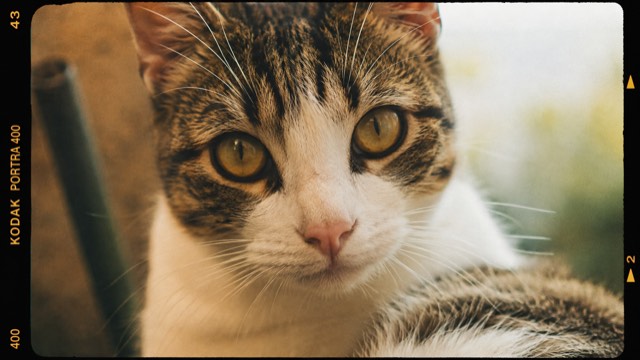
Prompt to picture with the gpt-image family — or route through a film-grain style agent first.
Image to mesh on fal — describe an object, download the GLB.
Agents that talk back — gpt-4o-mini-tts up to tts-1-hd.
Seedance on fal — write a shot, or animate a still the Image node just made. Plus, billed in credits.
A Knowledge node retrieves from your own material — pgvector or the built-in demo source.
Nineteen use-case templates, ten agent architectures. Load one, run it, keep the code.
Pick a model per agent, hand it tools, and connect the apps you already live in — all from the same canvas.
Fake model built in — no API key needed to start.
Design chatbot interfaces, websites and more — wired straight to the agents you drew. The canvas builds the brain; the builder gives it a face.
Join Betathe canvas is open
From a prompt to an agent you own. Draw it, run it, take the code with you.